
The American South spans some of the country's most visited coastal cities, beach towns, and state capitals - from Jacksonville's naval-adjacent neighborhoods to Austin's tech-driven downtown and Myrtle Beach's oceanfront strip. Choosing the right 3-star hotel across these markets means knowing which city suits your itinerary, what you're actually getting for the price, and how each property positions you relative to local transport, beaches, and attractions. This guide breaks down exactly that.
What It's Like Staying in the US South
The US South is not one destination - it's a collection of distinct urban rhythms stitched together by highway culture, warm weather, and car-dependent layouts. In Jacksonville, FL, you'll navigate a sprawling metro where neighborhoods like Mayport, Baymeadows, and the Westside each feel like separate towns. Myrtle Beach operates on a beach-season calendar, where the oceanfront strip floods with visitors from May through September and quiets dramatically in winter. Austin, TX moves at the pace of a fast-growing tech hub, where downtown parking is a daily logistical decision and the city's live music scene keeps the Sixth Street area active well past midnight.
Car access is near-essential across all three cities. Public transit exists but is limited - most 3-star properties in this region provide free parking precisely because guests almost universally drive. Hotel positioning relative to highways and beaches matters far more here than walkability scores.
Pros:
Jacksonville's coastal proximity means beach, nature preserves, and naval-history sites are all within around 15 km of most hotel clusters
Austin's 3-star market offers strong value compared to downtown boutique hotels, with airport access under 10 km from several properties
Myrtle Beach's oceanfront hotels deliver direct beach access without premium resort pricing
Cons:
Car dependency across the South means travelers without a rental vehicle will find most attractions logistically difficult to reach
Jacksonville's geographic sprawl makes choosing the wrong neighborhood a time-wasting mistake
Austin's event calendar (SXSW, F1, UT football) causes sudden price spikes that can make last-minute booking costly
Why Choose 3-Star Hotels in the US South
Three-star hotels in the US South sit at a practical sweet spot: branded reliability with amenities that actually matter for road-trippers and extended-stay guests. Unlike budget motels, most 3-star properties here include fitness centers, outdoor pools, business centers, and free parking - features that justify a step up without approaching resort-level pricing. Extended-stay formats are especially common in Jacksonville, where military and contractor visitors drive demand for kitchenette-equipped rooms at non-boutique prices.
In Austin, 3-star branded hotels like Marriott-affiliated properties offer structured loyalty points, consistent room standards, and airport proximity that independent hotels rarely match at the same price point. Myrtle Beach is where the 3-star category is most competitive - oceanfront positioning at this tier is genuinely rare in other major US coastal markets and represents strong value relative to comparable beach cities.
Pros:
Free parking is standard at nearly all 3-star properties in the South, saving travelers around $20 per night compared to downtown urban hotels
Kitchenette availability in extended-stay 3-star hotels significantly cuts food costs for stays longer than 4 nights
Loyalty program integration (IHG, Marriott, Hilton, Radisson) allows points accumulation on otherwise mid-budget trips
Cons:
Room sizes in branded 3-star hotels rarely exceed 30 square meters, which can feel cramped for families on longer stays
On-site dining is inconsistent - some properties offer only breakfast, requiring evening restaurant access by car
Noise from highway proximity is common in suburban 3-star clusters in Jacksonville and Austin
Practical Booking & Area Strategy
In Jacksonville, the Mayport and Atlantic Beach corridor positions guests near Fort Caroline National Memorial and Kathryn Abbey Hanna Park - both worth a half-day visit - while Baymeadows places you closer to the city's commercial south side with fast I-95 access. The Westside cluster sits around 14 miles from Jacksonville Landing and roughly 14 miles from Jacksonville International Airport, making it practical for early-morning departures. In Austin, the South Austin corridor (near the Convention Center and airport) outperforms the Northwest Arboretum area for first-time visitors, though the NW zone offers free parking and quieter surroundings preferred by business travelers. Myrtle Beach rewards early bookers - oceanfront 3-star rooms during July can sell out by March, and prices spike sharply the closer you book to peak summer. For Austin, the safest strategy is to book at least 8 weeks ahead if your dates overlap with a UT home game or a major convention. Things to prioritize by city: Jacksonville visitors should plan for Fort Caroline, Timucuan Preserve, and Jacksonville Beach; Myrtle Beach visitors will find the Boardwalk and Convention Center within walking distance of oceanfront hotels; Austin stays are best anchored around the Capitol Building, Sixth Street, and the University of Texas campus.
Best Value 3-Star Stays
These properties deliver strong per-night value across Jacksonville and Austin's suburban corridors - practical for extended stays, road trips, and travelers who prioritize amenities like kitchenettes, free parking, and pools over central positioning.
-
1. Studio 6 Extended Stay - Jacksonville, Fl - Baymeadows
Show on map


 Check-infrom 15:00 until 23:00Check-outfrom 08:00 until 11:00
Just a few rooms left at the best rate!
fromUS$ 50
-
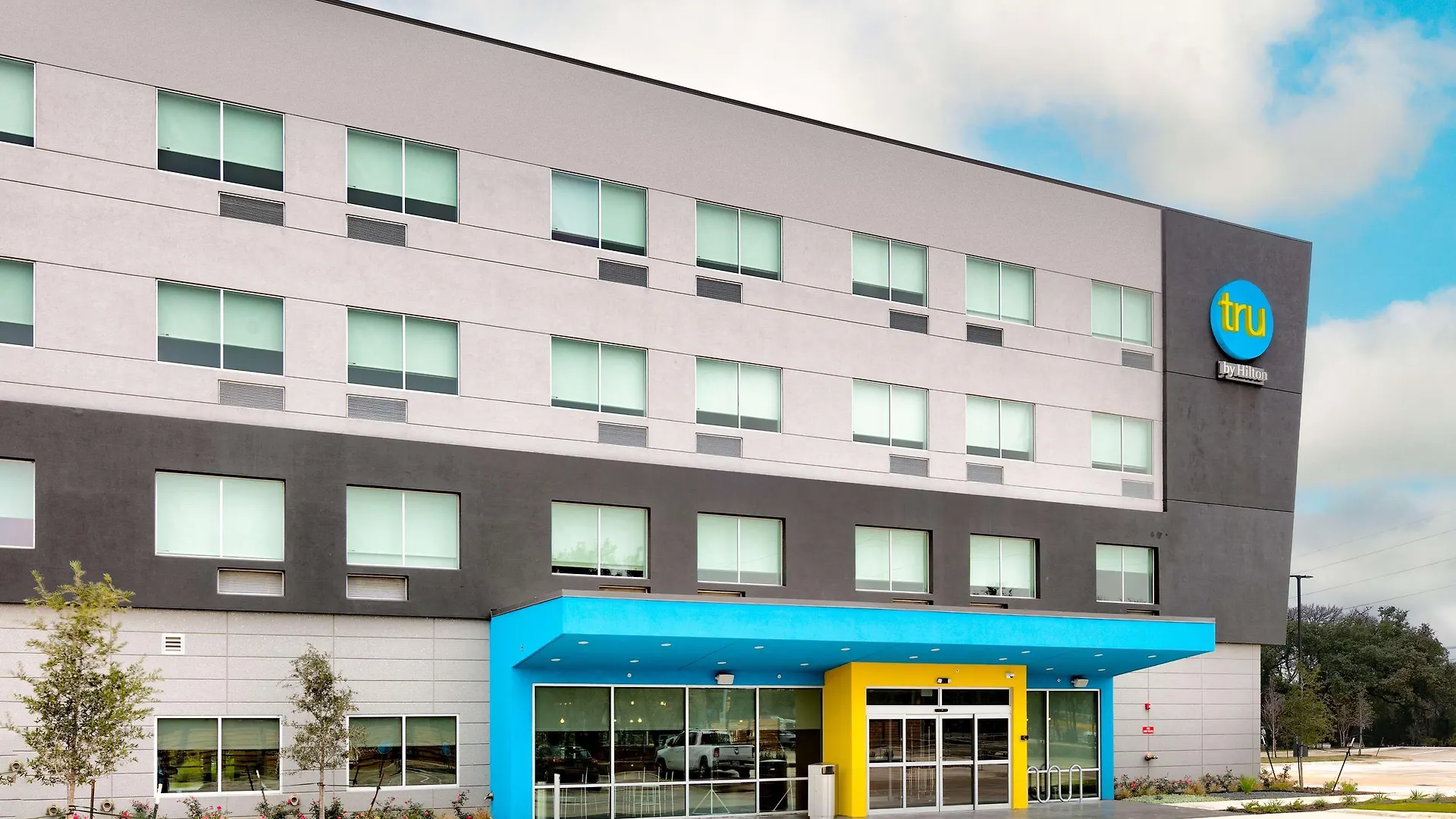
2. Tru By Hilton Austin Nw Arboretum, Tx
Show on map


 Check-infrom 15:00 until 23:59Check-outuntil 12:00
Just a few rooms left at the best rate!
fromUS$ 94
-
3. Candlewood Suites - Jacksonville - Mayport By Ihg
Show on map


 Check-infrom 15:00 until 23:59Check-outuntil 11:00
Just a few rooms left at the best rate!
fromUS$ 129
-
4. Country Inn & Suites By Radisson, Jacksonville West, Fl
Show on map


 Check-infrom 15:00 until 23:59Check-outuntil 11:00
Hurry – almost gone at this price!
fromUS$ 99
Best Mid-Range & Oceanfront Picks
These three properties step up in positioning - one directly on Myrtle Beach's ocean, two in Austin's most connected zones - and deliver branded consistency with amenities that justify their place above the entry-level tier.
-
5. Springhill Suites By Marriott Myrtle Beach Oceanfront
Show on map


 Check-infrom 16:00 until 23:59Check-outuntil 11:00
Hurry – almost gone at this price!
fromUS$ 450
-
6. Austin Marriott South
Show on map


 Check-infrom 15:00 until 23:59Check-outuntil 12:00
Rooms filling fast – secure the best rate!
fromUS$ 139
-
7. Hampton Inn And Suites Austin University Capitol
Show on map


 Check-infrom 16:00 until 23:59Check-outuntil 12:00
Rooms filling fast – secure the best rate!
fromUS$ 159
Smart Travel & Timing Advice
Across all three markets covered in this guide, the peak booking window varies significantly by city. In Myrtle Beach, summer is absolute peak - July occupancy rates at oceanfront properties can exceed 95%, and rates climb sharply from June onward. The best value window for Myrtle Beach is April through May, when the ocean is warm enough for beach days but crowds and prices haven't peaked. In Austin, the most disruptive events for hotel pricing are SXSW (March), Formula 1 at Circuit of the Americas (October/November), and major UT home football games - during these periods, even suburban 3-star hotels see rates spike by around 60% above baseline. Book Austin hotels at least 8 weeks out if your dates touch any of these events. Jacksonville is the most forgiving market of the three for last-minute bookers - demand is more consistent year-round thanks to the naval and extended-stay traveler base, and rates rarely experience the dramatic seasonal swings seen in Myrtle Beach or Austin. For any of these cities, a minimum 3-night stay is recommended to justify drive distances to key attractions - most worthwhile sites require at least half a day by car, making single-night stays logistically inefficient.


